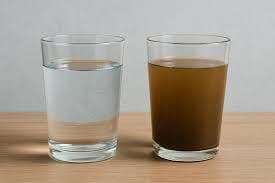
There is a reasonable human instinct to judge water by how it looks. Clear, colourless water feels safe. But chemical and biological contamination rarely announces itself visually. Water drawn from a borehole in an industrialised area may appear perfectly clear while carrying dissolved heavy metals, industrial chemicals, or bacterial contamination at levels that pose real health risks over time.
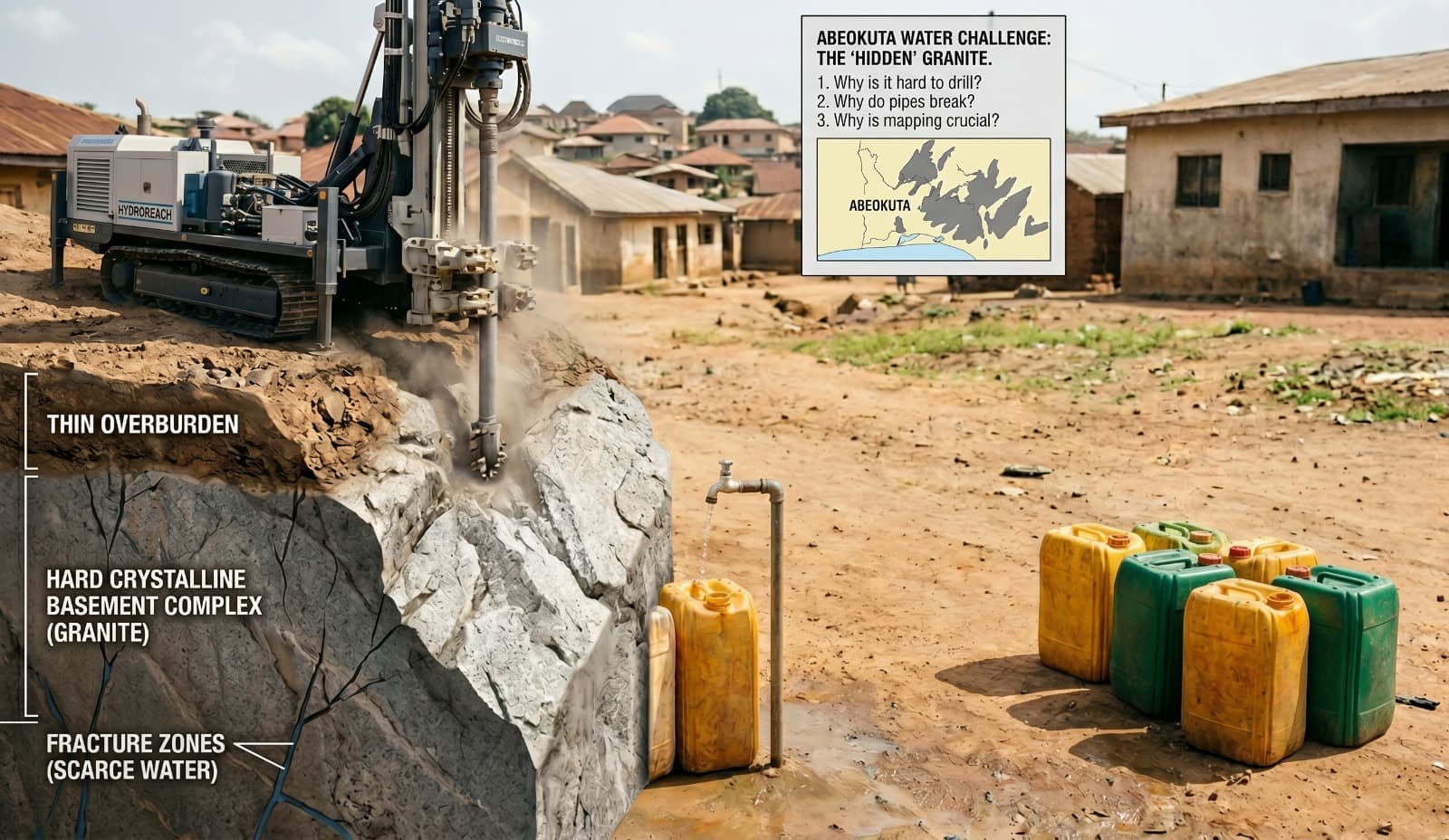
Ogun State's status as one of Nigeria's most densely industrialised states creates a particular contamination risk for groundwater. Factory effluents, inadequately treated or improperly discharged, can reach groundwater through surface runoff and soil infiltration. In parts of the state where the topsoil layer is thin or highly permeable, contaminants from surface activities can reach shallow aquifers relatively quickly, without the natural filtration that deeper or more complex soil profiles provide.
The World Health Organization's guidelines for drinking water quality set parameters for dozens of chemical, microbiological, and physical characteristics. pH alone, the measure of acidity or alkalinity, can affect how water interacts with pipes and how effectively disinfection works. But pH is invisible to the naked eye, and so are most of the pathogens and chemical contaminants that make water unsafe.
Testing is the only reliable answer to this problem, and the frequency and rigour of testing determines how trustworthy the results are. A single test conducted once tells you what the water was on one day at one point. Contamination sources change, new facilities open, discharge practices vary, rainfall patterns shift contaminant pathways. Robust water quality assurance requires ongoing, systematic testing with results that are publicly transparent, not a one-time certificate of safety issued and then forgotten.