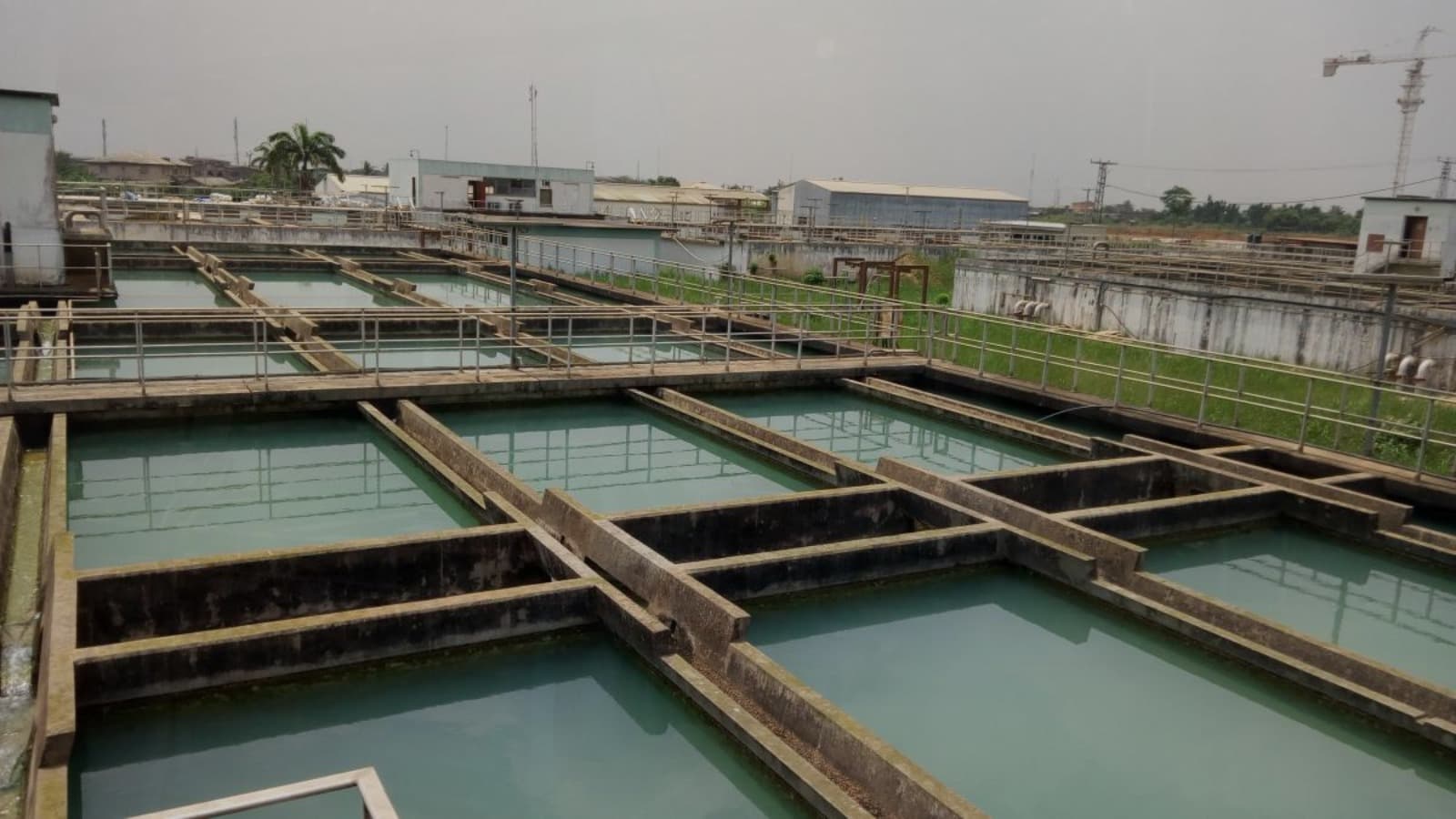

In 2010, Lagos Water Corporation published a Water Supply Masterplan with an ambitious target: raise production capacity to 745 million gallons per day by 2020. The plan was grounded in a real and urgent problem, at the time of launch, Lagos could supply around 210 million gallons per day against a demand of roughly 540 million gallons. The gap was enormous, and the plan was meant to close it over a decade through infrastructure expansion and private sector financing.
Five years after the plan's expiry, analysis by Corporate Accountability and Public Participation Africa (CAPPA) shows the Lagos Water Corporation's installed capacity remains below 210 million gallons per day, essentially unchanged from 2010. Meanwhile, Lagos's population has continued to grow. The projected demand for 2025 stands at approximately 780 million gallons per day. The gap has widened, not closed.
The Masterplan's failure is not attributed to an unrealistic goal, but to the financing model that underpinned it. It was heavily reliant on loans, external grants, and Public-Private Partnerships that largely did not materialise. When USAID withdrew from a key PPP arrangement in 2024 that had been set to rehabilitate five mini waterworks, it underlined a structural vulnerability: a plan dependent on external funding is a plan one partner decision away from stalling.
What this means in daily terms is that approximately 90 to 95 percent of Lagos residents currently rely on informal water sources, private boreholes, sachet water, and tanker services, according to multiple household surveys cited by CAPPA. The cost of those informal sources, as a share of household income, far exceeds what the UN considers affordable. For Lagos, the lesson of the expired Masterplan is not that ambitious infrastructure planning is wrong. It is that plans without committed, accountable public financing tend not to survive contact with reality.