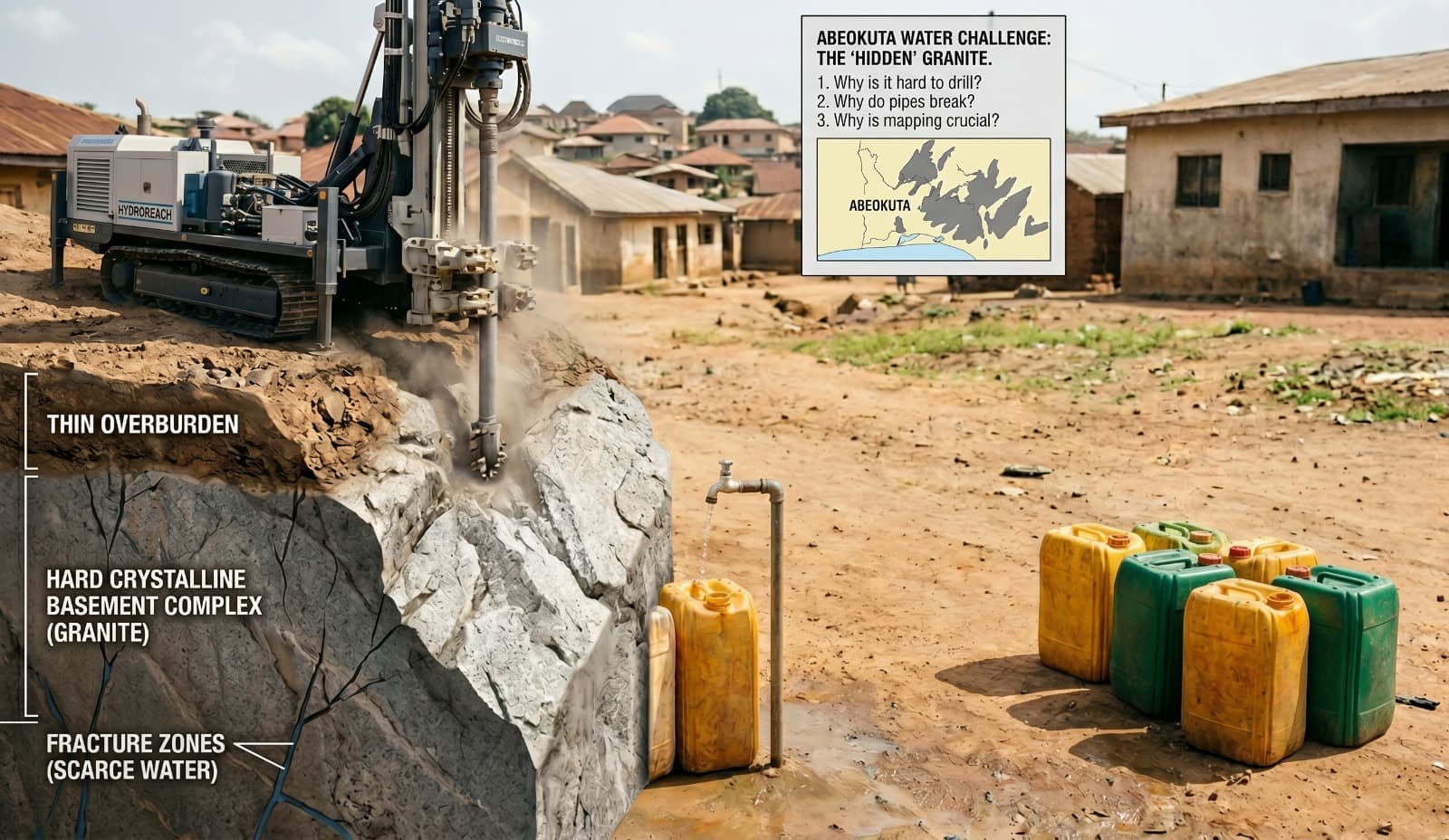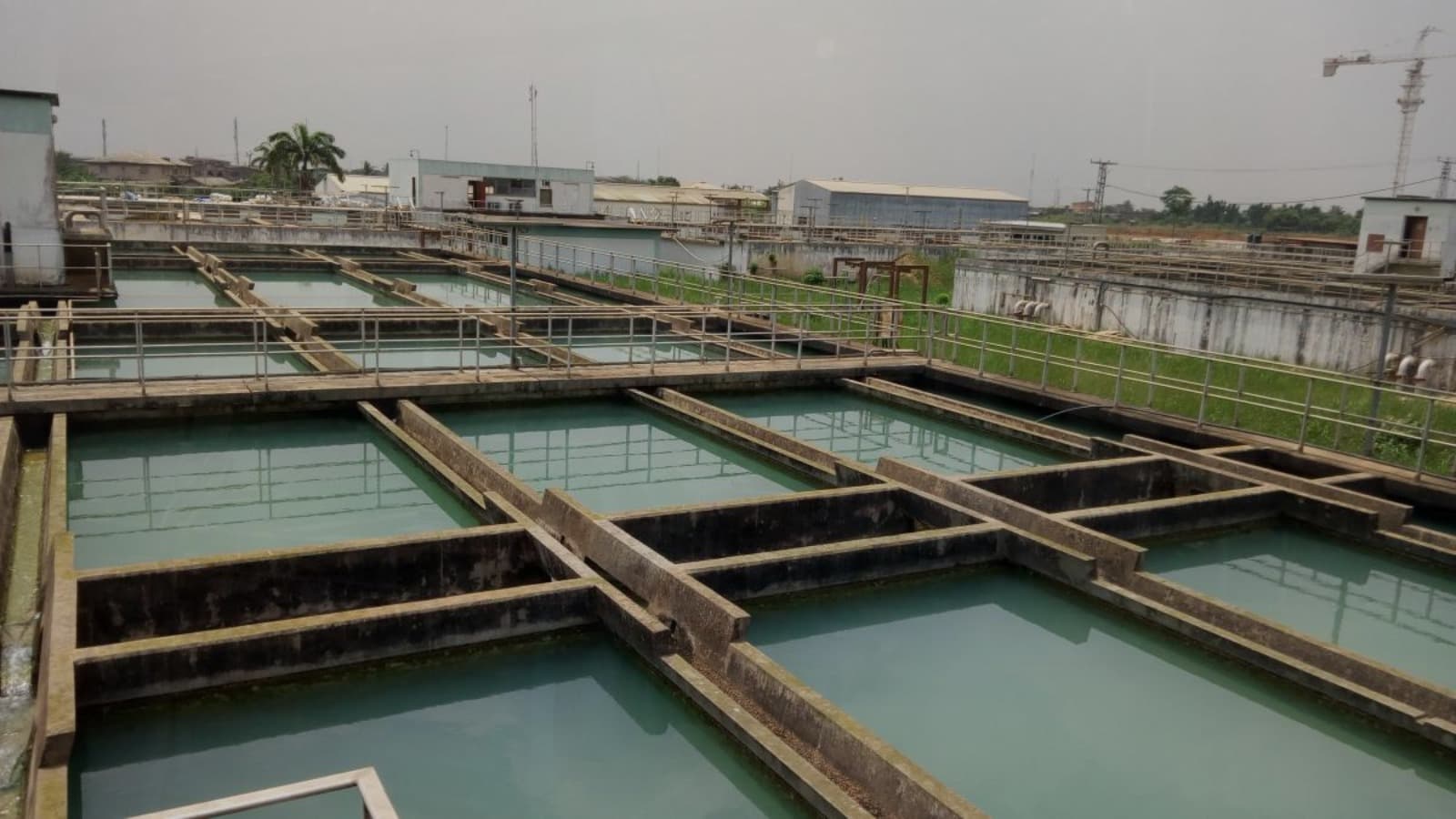
Ogun State is not a water-scarce environment in the physical sense. The Ogun River winds through the state before feeding into Lagos Lagoon. The Oyan Dam, one of the largest reservoirs in southwestern Nigeria, holds significant storage capacity. And yet, across the state's urban centres and rural communities alike, reliable access to clean piped water remains the exception rather than the rule.
The explanation lies not in geography but in infrastructure, specifically, the age and condition of the systems built to translate that natural abundance into household supply. Water treatment plants and distribution networks across the state were largely commissioned in the 1970s and have not been systematically upgraded to reflect decades of population growth and urban expansion. The result is a wide and widening gap between what the state has and what its residents actually receive.
This distinction matters enormously for how the problem is framed. A physically water-scarce region calls for new sources. Ogun State's challenge is different: it calls for investment in the systems that connect existing sources to the people who need them, maintenance, rehabilitation, operational funding, and governance capable of sustaining that work over time.
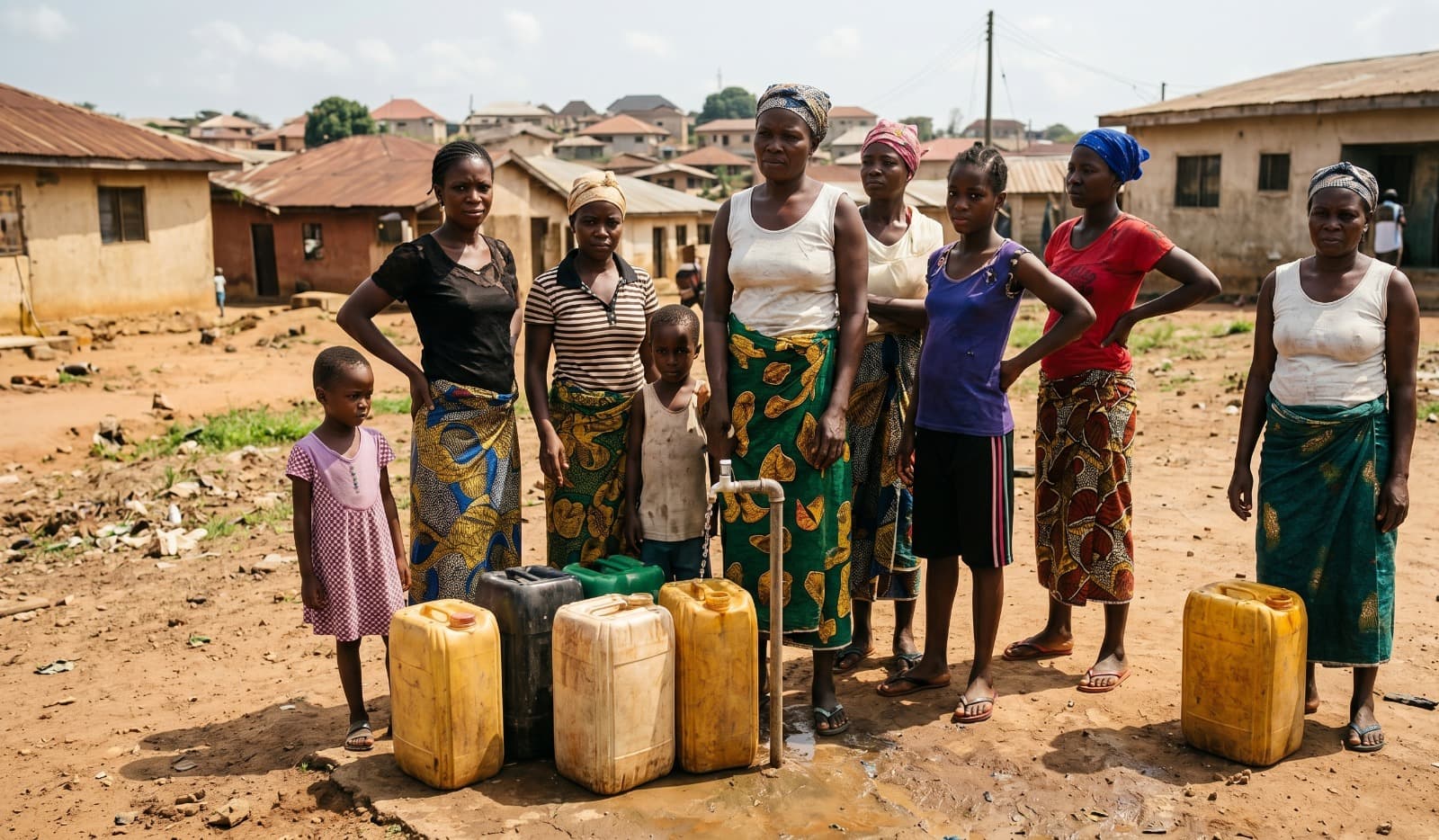
The consequences are borne unequally. Urban households with means pay significantly more for water through private vendors or bottled supplies than they would through a functioning utility. Lower-income households and rural communities, unable to afford alternatives, fall back on untreated surface water or shared communal sources that carry health risks. The burden of a broken system settles heaviest on those least equipped to absorb it.