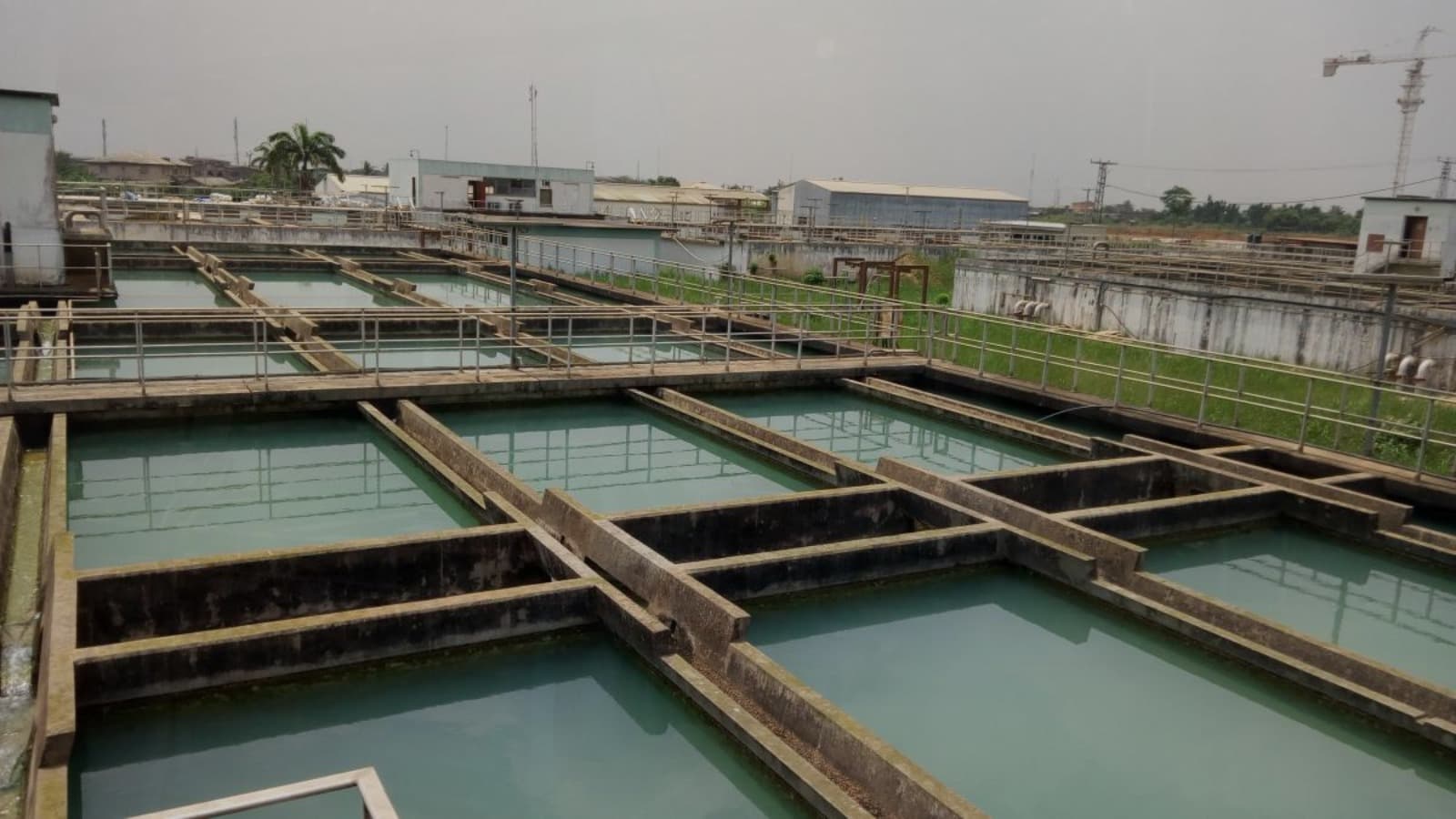

Ota, along with the adjoining Agbara industrial estate in Ogun State, represents one of the most significant concentrations of manufacturing in West Africa. Factories producing food and beverages, pharmaceuticals, chemicals, textiles, and consumer goods have operated here for decades, drawn by proximity to Lagos's consumer market and the availability of industrial land. The scale of economic activity is tangible, logistics traffic on the roads, the industrial character of the highway corridor, employment numbering in the tens of thousands.
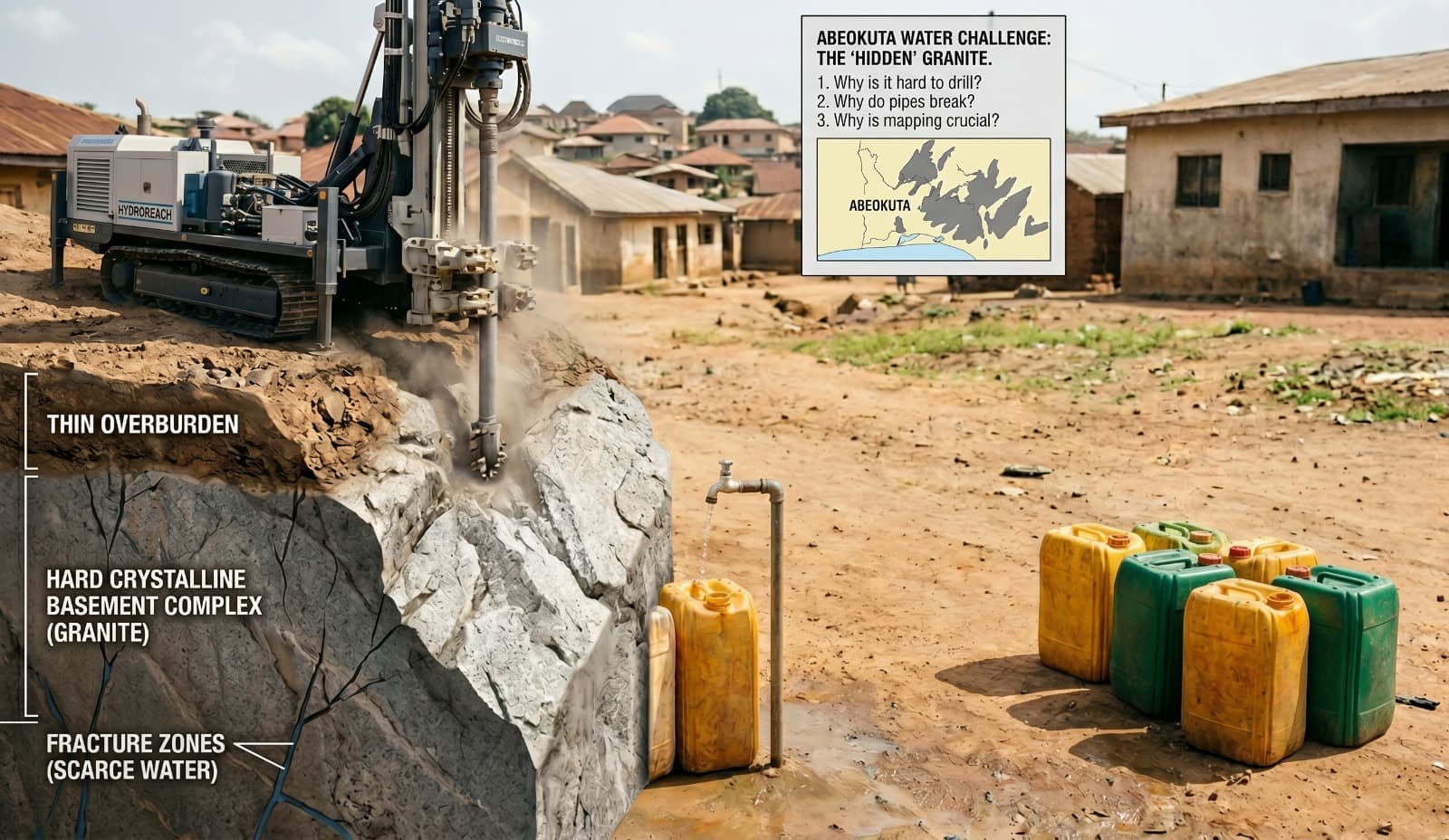
What is less visible is how those factories source their water. Public utility supply in industrialised areas is rarely sufficient for the volumes that manufacturing processes require. Most industrial facilities in the Ota-Agbara corridor operate their own boreholes, sometimes multiple, drilled on-site to provide water for production, cooling, cleaning, and general facility use. This is a pragmatic response to unreliable public supply, and it has functioned as a workable solution for many years.
The concern is cumulative and slow-moving. Each individual borehole draws from the same underlying aquifer system. There is no coordinated monitoring of aggregate extraction volumes across the industrial zone, no shared data on aquifer levels, and no mechanism for adjusting abstraction rates if depletion signals emerge. Aquifer recovery, where hard basement or deep sedimentary aquifers are involved, is measured in years or decades rather than days.
By the time depletion becomes visible as an operational problem, lower borehole yields, failed pumps, increasing drilling depths needed to find water, the drawdown is already significant. The industrial corridor that underpins so much of the regional economy is, quietly, placing pressure on the water reserves it depends on. That is a long-term risk that is not yet part of the mainstream conversation about Ogun State's water future.